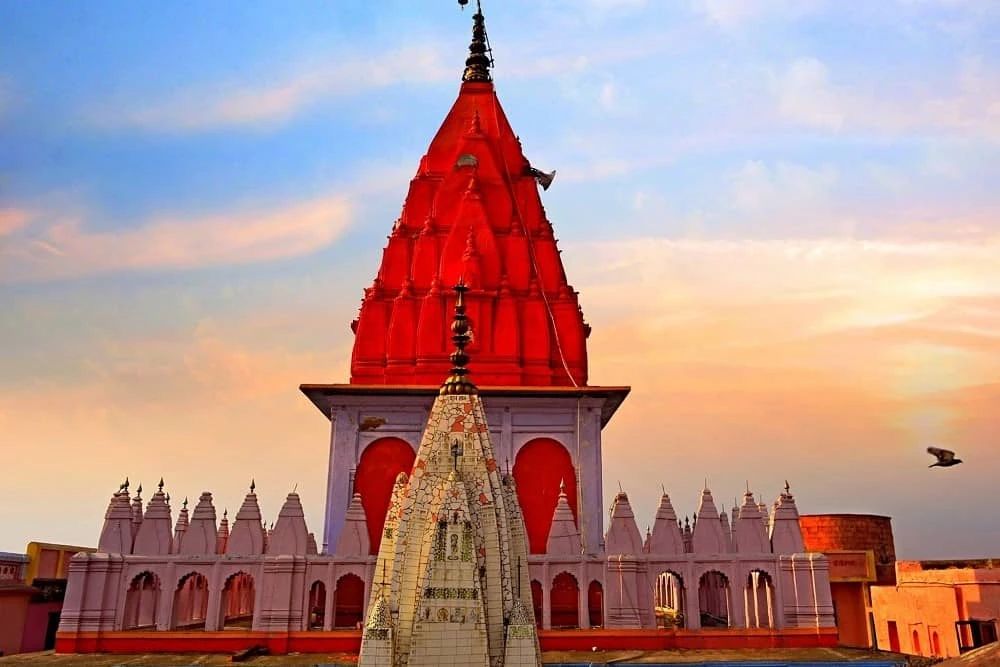
If you visit in summer
Do darshan at 6 AM, rest between 12 and 4 PM, and go out again in the evening. Plan the ghats for after sunset.
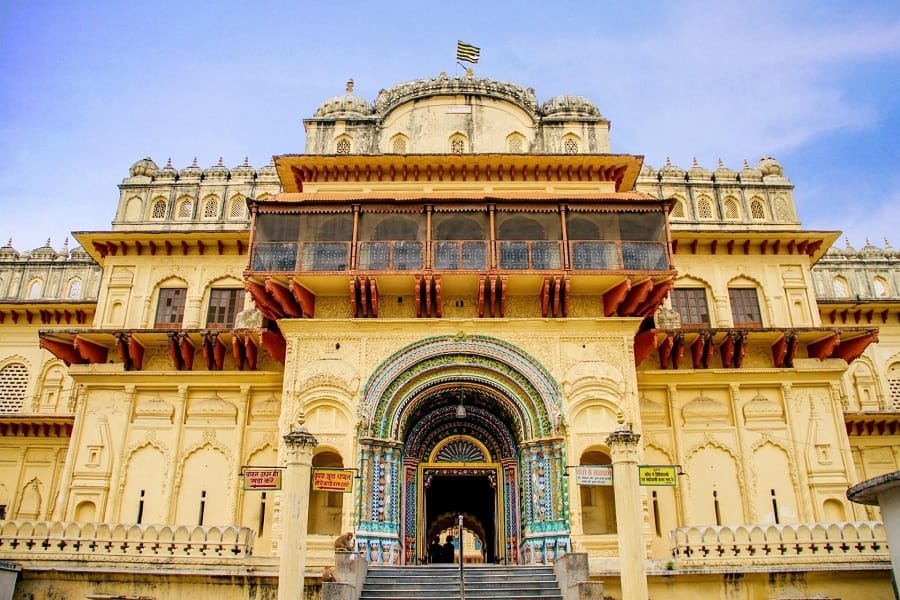
Best time to visit, what the weather really feels like, where to stay at every budget, what to eat and what to bring home.
October to March is the most comfortable window. Summer is hot, monsoon is humid — both are manageable with the right planning.
| Season | Months | Weather | Our verdict |
|---|---|---|---|
| Winter | Nov – Feb | Cool and dry, 8–25 °C. Mornings can be foggy. | Best overall. Ideal for darshan and walking. Carry a warm layer. |
| Spring / Post-monsoon | Oct & Mar | Warm days, pleasant mornings, 18–32 °C. | Excellent. Deepotsav falls in Oct–Nov, Ram Navami in Mar–Apr. |
| Summer | Apr – Jun | Hot and dry, up to 43 °C by afternoon. | Visitable with early-morning darshan and afternoon rest. Hydrate constantly. |
| Monsoon | Jul – Sep | Humid, 25–35 °C, moderate to heavy rain. | Green and quiet, but plan indoor breaks. Some rural roads get muddy. |
Do darshan at 6 AM, rest between 12 and 4 PM, and go out again in the evening. Plan the ghats for after sunset.
Carry a compact umbrella and quick-dry footwear. Temple courtyards get slippery — take the stone steps slowly.
Mornings can be foggy, which affects flights and trains. Build a buffer into your arrival day and dress in layers.
Festivals here are unforgettable — and very busy. Book stay and darshan slots well in advance if you plan around one.
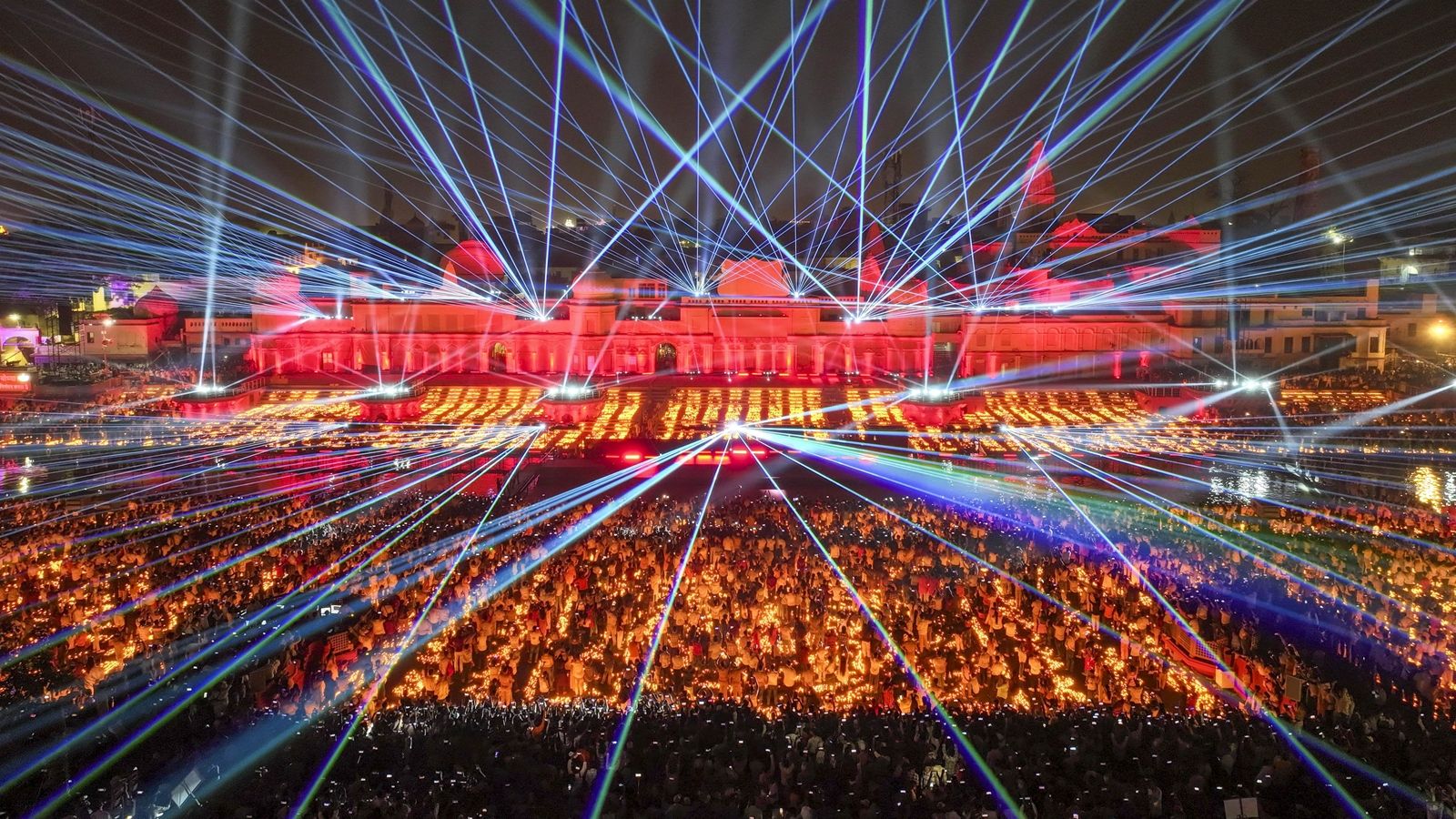
Lakhs of earthen diyas are lit along the Saryu ghats, the city records world-record lamp counts, and the spectacle is genuinely extraordinary. Expect huge crowds and premiums on hotels.
The birthday of Lord Ram, celebrated with processions and special rituals. One of the most auspicious — and most crowded — times to visit Ayodhya.
The anniversary of the Ram Lalla consecration, marked with elaborate decoration and special aartis across the temple complex.
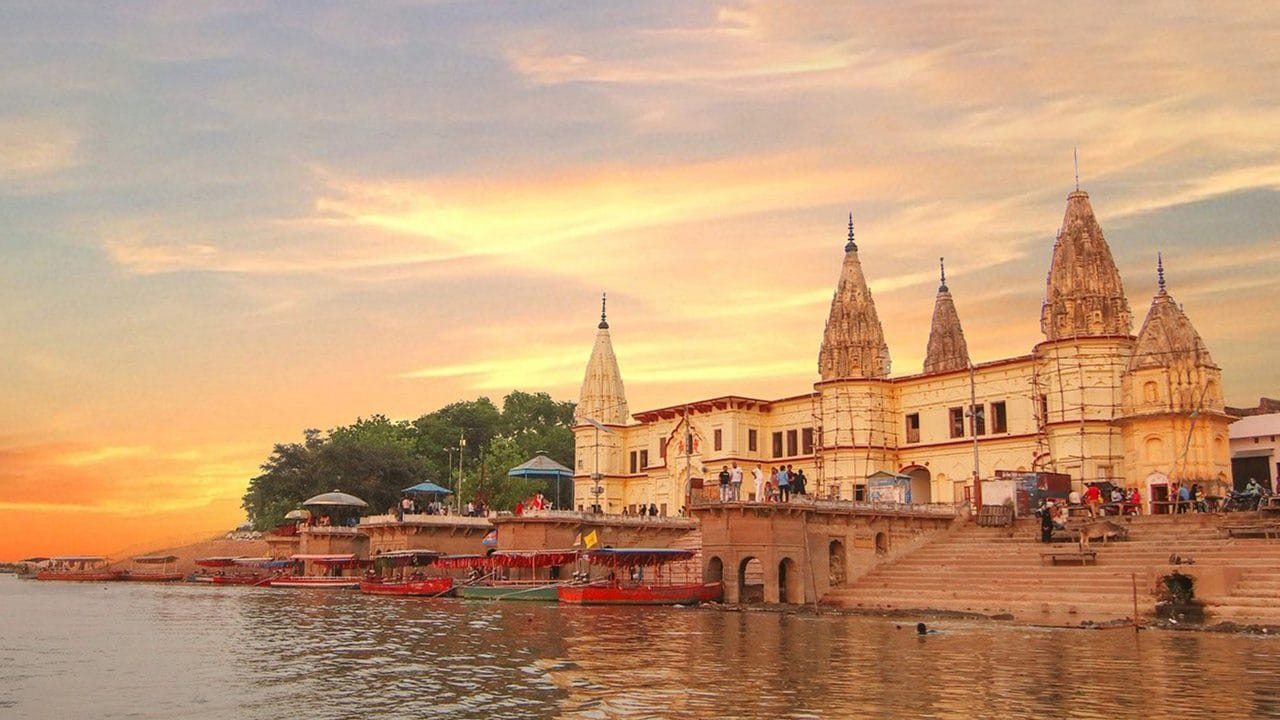
The ghats are especially vibrant on Karthik Purnima, and the nightly Saryu aarti itself is worth planning an evening around on any day of the year.
The best location depends on how you want to start your day. For early darshan, stay as close to the temple as you can.
The classic pilgrim choice. Simple, clean and very affordable, often run by trusts. Some accept online booking, many are walk-in only.
Comfortable rooms with AC, hot water and parking. Plenty sit along Ram Path and near the old town — good value for families.
Ayodhya now has several high-end properties with restaurants, spa facilities and tented-city style resorts for festival seasons.
Our advice: for a 1–2 day trip, prioritise proximity to the temple over room size. You will spend very little waking time in the hotel, and being able to walk to darshan at 6 AM transforms the experience.
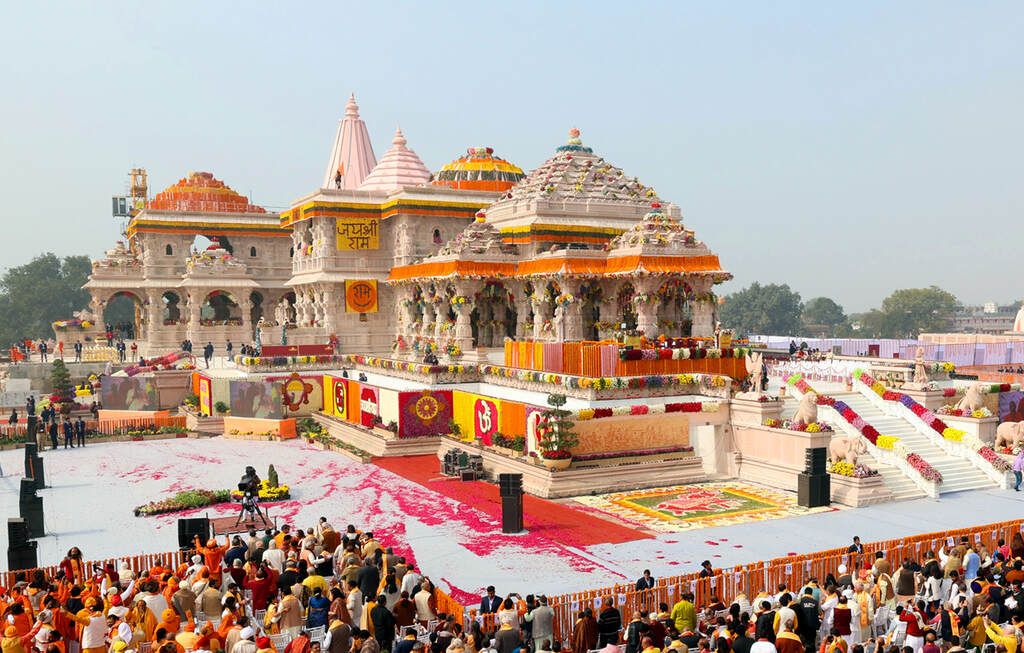
Ayodhya's food is simple, vegetarian and honest. Most eateries near the temple are pure-veg and many skip onion and garlic entirely, in keeping with the city's devotional character.
Note: as in most temple towns, avoid leather items and non-vegetarian food near the temple precincts. Alcohol is not part of Ayodhya's culture and is not available around the pilgrimage zone.
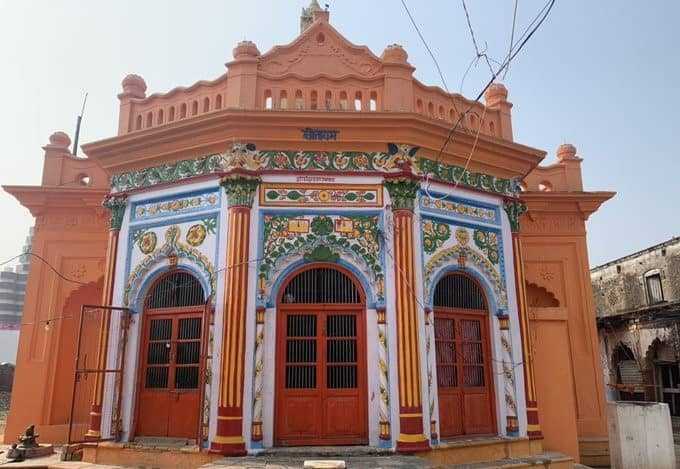
Carry a government photo ID for darshan entry and hotel check-in. Keep a digital copy too.
You will remove shoes at every temple. Slip-ons save time and are easier on hot stone floors.
Traditional or modest dress is appropriate. A light shawl is useful in winter mornings and for temple entry.
Essential in summer. Carry a refillable bottle and hydrate more than you think you need.
UPI is widely accepted, but keep small notes and coins for offerings, e-rickshaws and street stalls.
A cap, sunglasses and sunscreen make a real difference — much of the temple complex is open to the sky.
You will not have your phone inside the temple, but you will want it charged for the rest of the day.
A small cloth bag is ideal for prasad, and generally more acceptable than a large backpack inside temples.
Ask us anything about Ayodhya — timings, weather, hotels, accessibility or what to expect on your dates. We answer every enquiry personally.
From darshan timings to hotels to how to get there — we have the details covered.