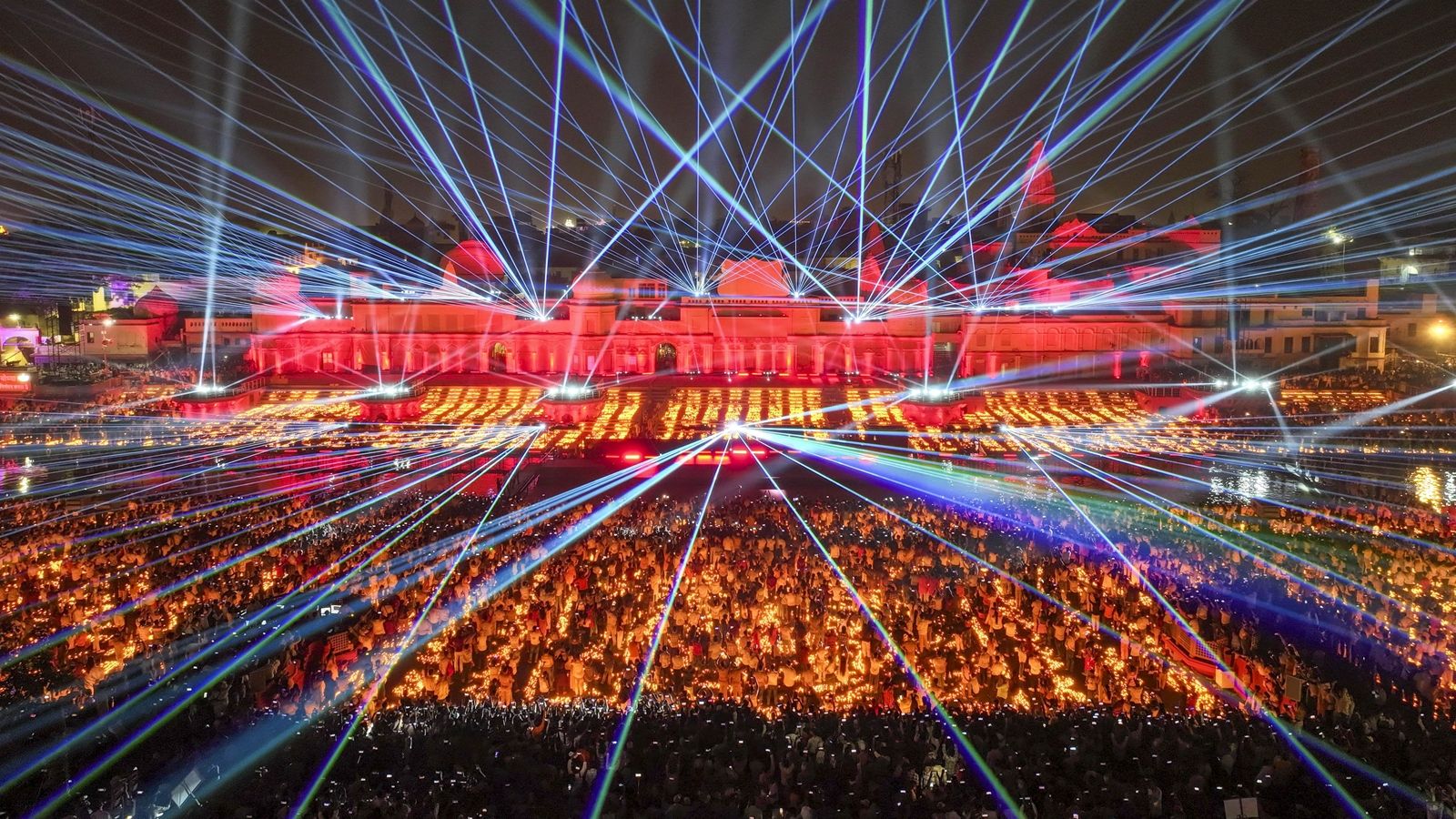
Old town & ghats
Arrival, Hanuman Garhi, Kanak Bhawan, Dashrath Mahal, then sunset and aarti at Ram Ki Paidi.
Hour-by-hour Ayodhya itineraries built from real traveller feedback. Use them as-is, or tell us your dates and we will personalise one for your family.
One day covers the essentials. Two days is the sweet spot — it adds the ghats and an unhurried darshan. Three days lets you step outside the city to Nandigram and beyond.
Ideal if you are on a tight schedule or breaking a longer journey. Best done on a weekday.
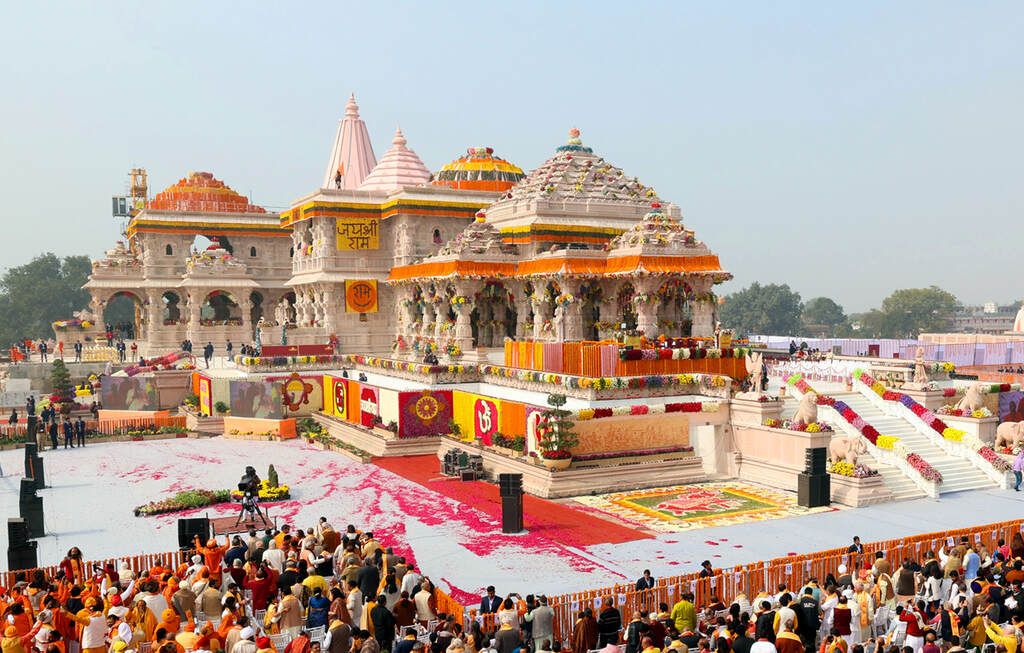
Reach Ayodhya Dham Junction or the airport and head straight to Ram Janmabhoomi. Leave your phone at your hotel or in the free locker before joining the queue.
Join the general darshan queue early for the shortest wait. Absorb the Ram Darbar on the first floor and walk the Parikrama path around the complex.
Local kachori-sabzi, poori-aloo and jalebi are the traditional Ayodhya breakfast. Eat near the temple lanes.
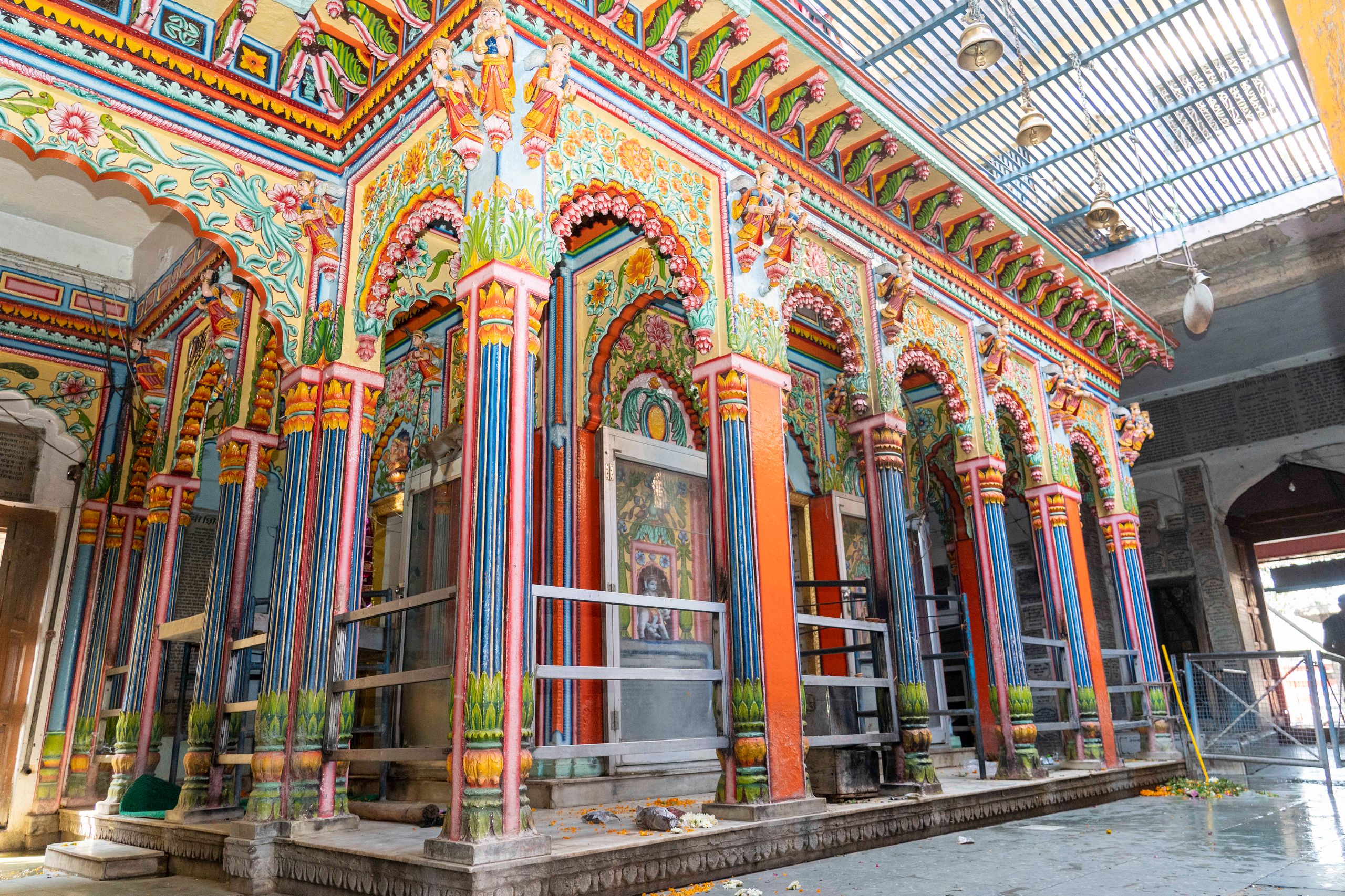
Climb the 76 steps to Hanuman Garhi, then walk to Kanak Bhawan. Both are close together and easy to combine.
Temples close for the afternoon. Use this window for lunch and a break — especially important in summer.
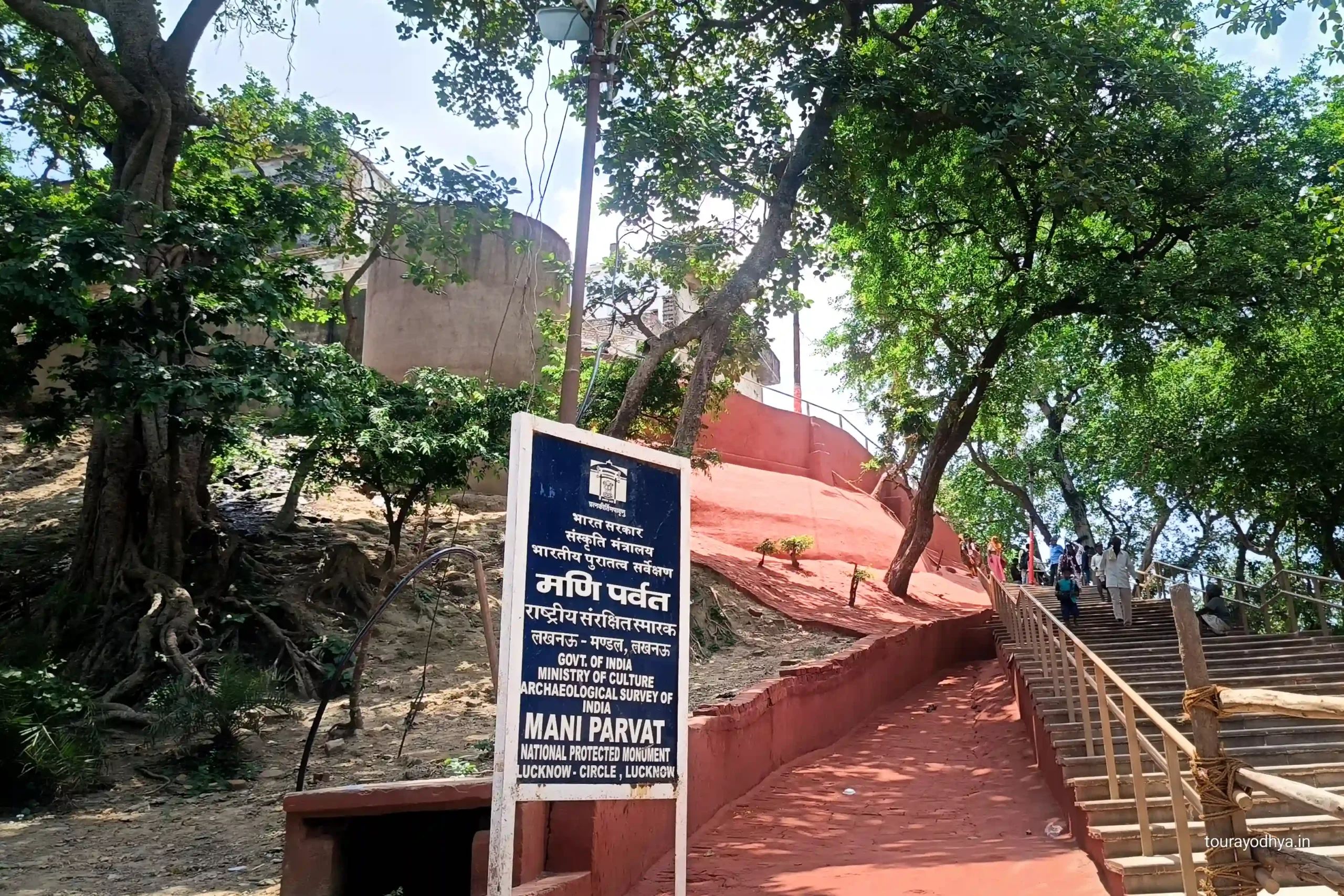
An easy loop through the old town and up the small hill of Mani Parvat for the view.
Finish at the ghats for the evening aarti — the perfect closing to a one-day visit. Optional short boat ride.
Day-trippers, travellers breaking a Lucknow–Varanasi journey, and anyone passing through by train.
Tip: if you arrive by late morning, swap the order — do the old-town temples first and take darshan in the evening slot instead, which is usually quieter than midday.
The plan most of our travellers choose. Comfortable pace, nothing important missed, plenty of time at the ghats.
Take a hotel near the temple or Ram Path so you can walk to the gates early the next morning.
Tradition asks devotees to seek Hanuman's blessings before Ram Mandir. The hilltop shrine is lively and affordable to reach by e-rickshaw.
Visit the golden palace, then eat in the temple lane. Try local thali or chaat.
Two deeply atmospheric stops, both close to the old-town core.
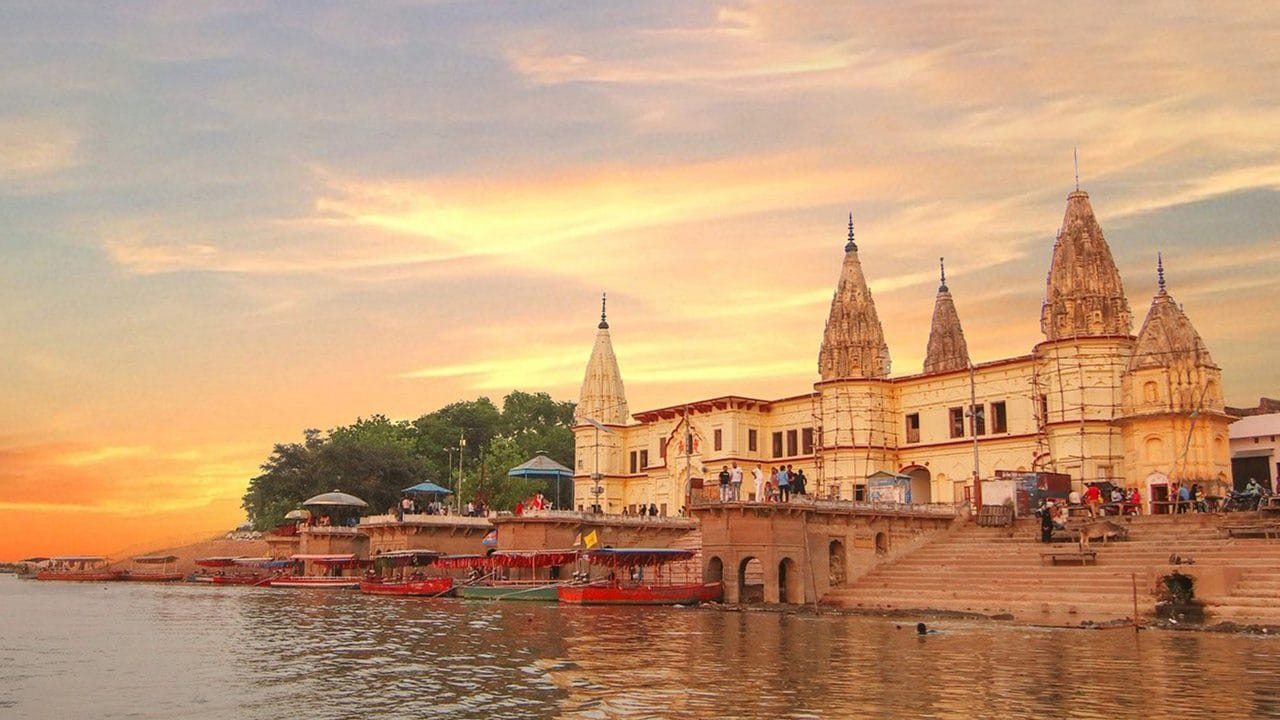
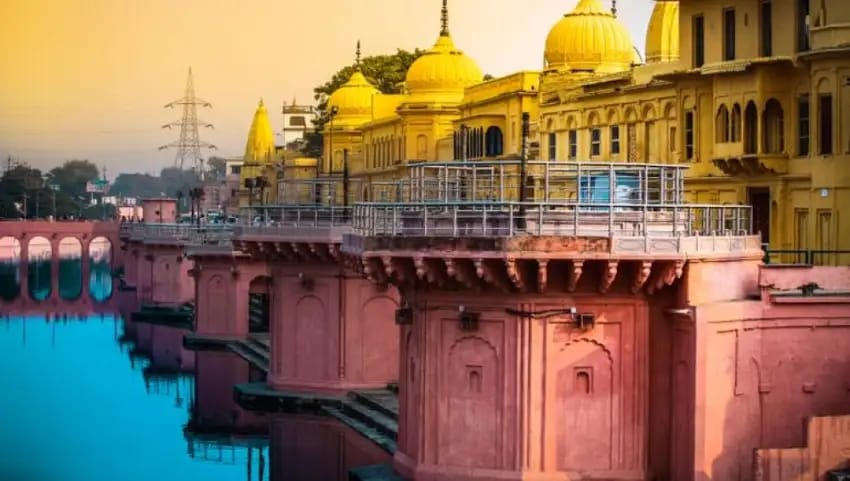
Walk the long stone steps of the ghat as the light fades. Optional boat ride on the Saryu.
Stay on for the lamp-lit evening aarti — one of the most moving experiences in Ayodhya.
Eat light and sleep early; tomorrow starts before dawn.
Leave your phone behind. Join the queue in the calmest, coolest hour of the day.
Take your time. Visit the Parikrama path and the Ram Katha Sangrahalay museum afterwards.
Traditional Ayodhya breakfast near the temple lane.
Three short stops on a gentle loop through the older parts of the city.
Pick up prasad and local sweets on your way to the station or airport.
Families, couples and weekend pilgrims who want the full Ayodhya experience without rushing.
Elders travelling? Book Sugam Darshan and plan the darshan for 6:00 AM. We can also arrange a wheelchair and a car that parks close to the gate.
For travellers who want the full Ramayana circuit — including the quieter outskirts and the fascinating sites beyond the city.
Arrival, Hanuman Garhi, Kanak Bhawan, Dashrath Mahal, then sunset and aarti at Ram Ki Paidi.
Early Ram Mandir darshan, Ram Darbar, Parikrama path, Ram Katha Sangrahalay, then Mani Parvat, Nageshwarnath and Sita ki Rasoi.
Nandigram Bharat Kund, Tulsi Smarak Bhawan and the remaining temples at an easy pace. Optional afternoon departure to Prayagraj or Varanasi.
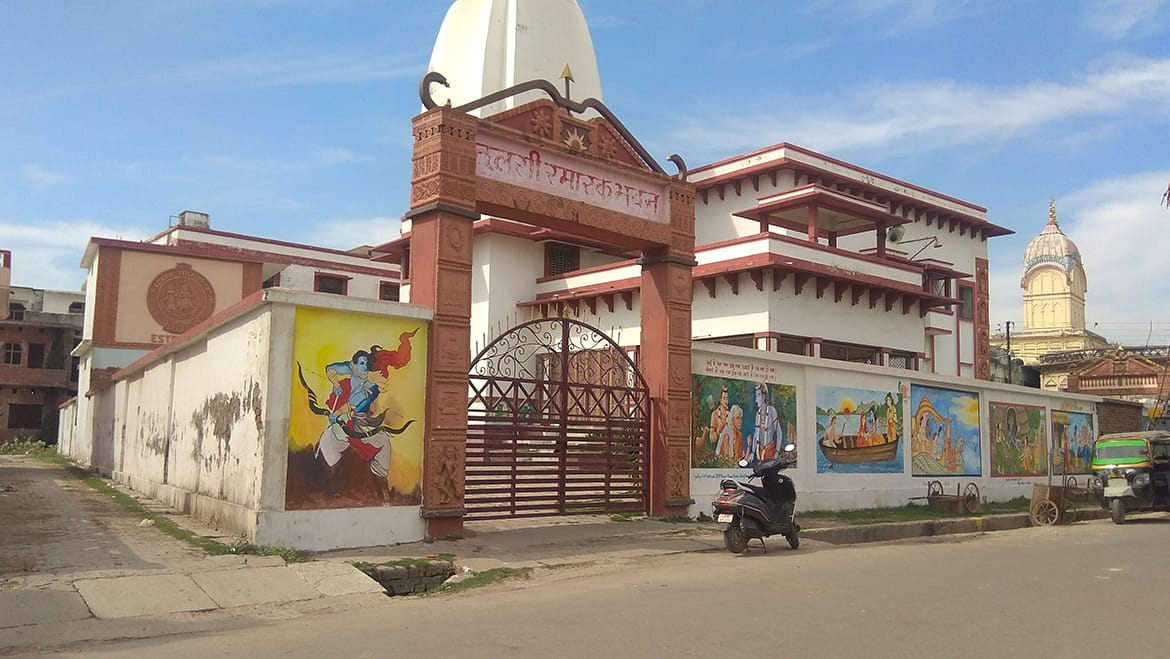
Ayodhya's most interesting corners are outside the immediate temple zone. Nandigram, where Bharat is said to have ruled for fourteen years while Ram was in exile, is a short drive away — and it is often the quietest, most contemplative part of a pilgrimage.
The 6–8 AM window is consistently the calmest. If you only plan one thing well, plan this.
Most temples shut between 12 and 4 PM. Use that block for lunch, travel or rest rather than fighting it.
Weekends, Ram Navami and Deepotsav multiply queue times. Add 50% to every estimate on those days.
You will remove shoes repeatedly. Slip-on footwear saves real time and hassle.
Phones are not allowed inside the temple. Carry water and a small cloth bag instead.
E-rickshaws are plentiful but festival surges are real. If you have a fixed train or flight, leave a generous buffer.
Send us your travel dates, group size and any mobility needs. We will send back a personalised day-by-day plan — free, with no obligation.