
Ram Janmabhoomi
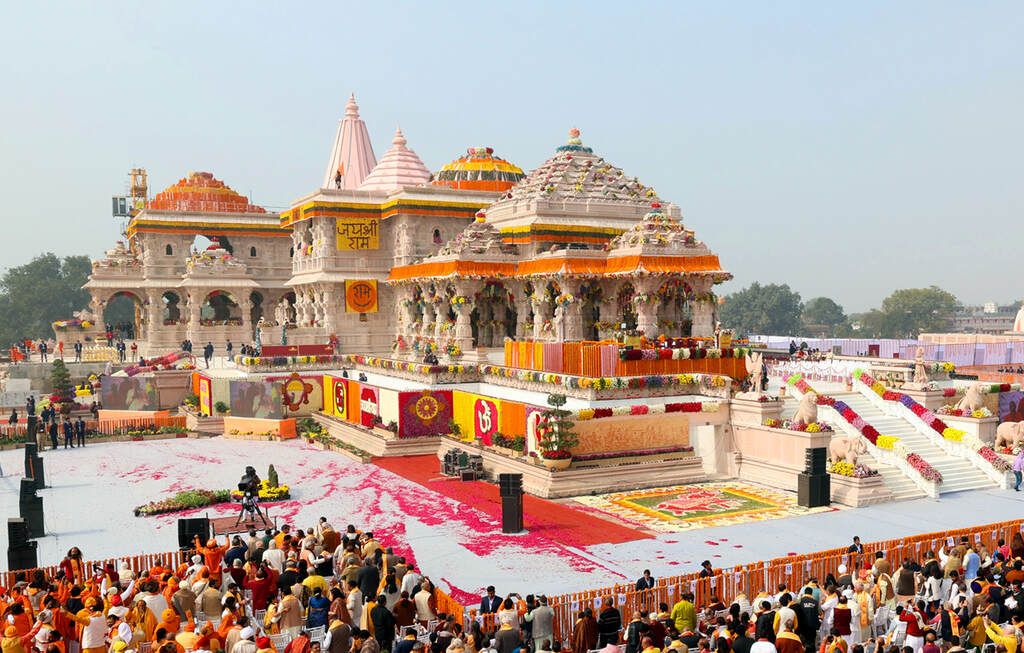
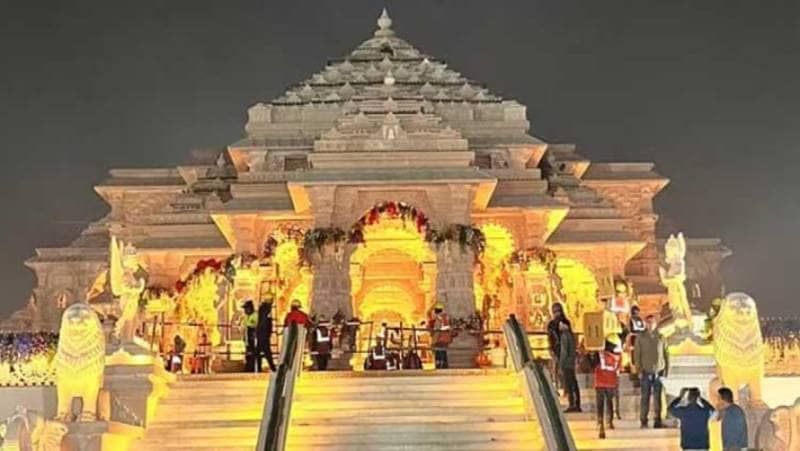
The grand Shri Ram Janmabhoomi Mandir, the birthplace of Lord Ram, at the heart of the city.
Everything you need for a peaceful, well-planned Ayodhya pilgrimage — Ram Mandir darshan timings, the temples and ghats worth your time, honest itineraries from one day to three, and how to reach Ayodhya by air, rail or road.
Tell us your dates — we will send a day-by-day Ayodhya plan.
Most visitors come for Ram Mandir and leave the same day. Ayodhya rewards those who stay a little longer — the ancient ghats of the Saryu, the colourful Ramayana-era temples scattered through the old town, and an evening aarti that stays with you for years.
The grand Shri Ram Janmabhoomi Mandir, the birthplace of Lord Ram, at the heart of the city.
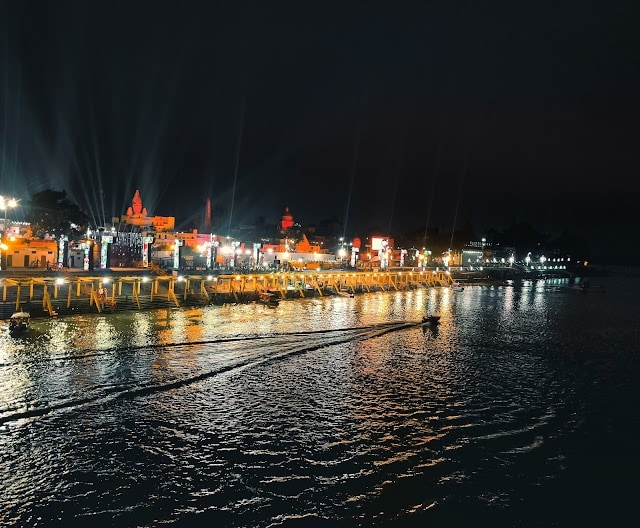
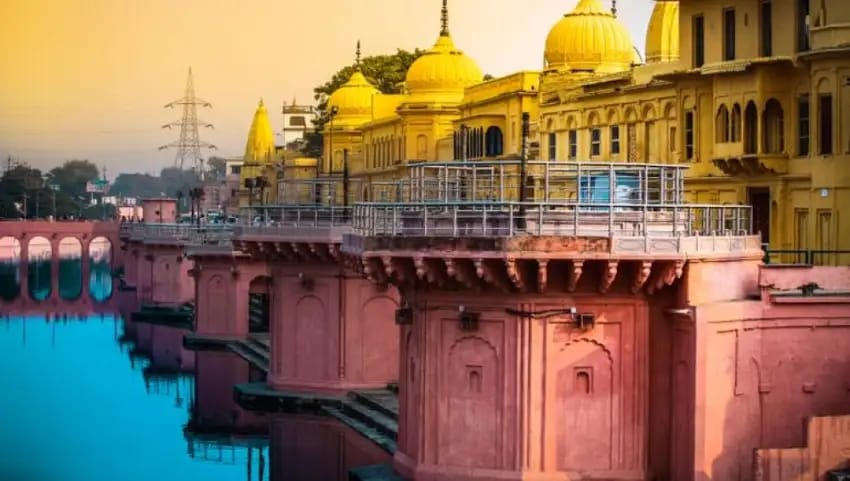
Ram Ki Paidi and Naya Ghat come alive every evening with lamps, boats and the Saryu aarti.
Hanuman Garhi, Kanak Bhawan and Dashrath Mahal sit within a lively 2 km pilgrimage walk.
A new airport, the revamped Ayodhya Dham station and the expressway make reaching easy.
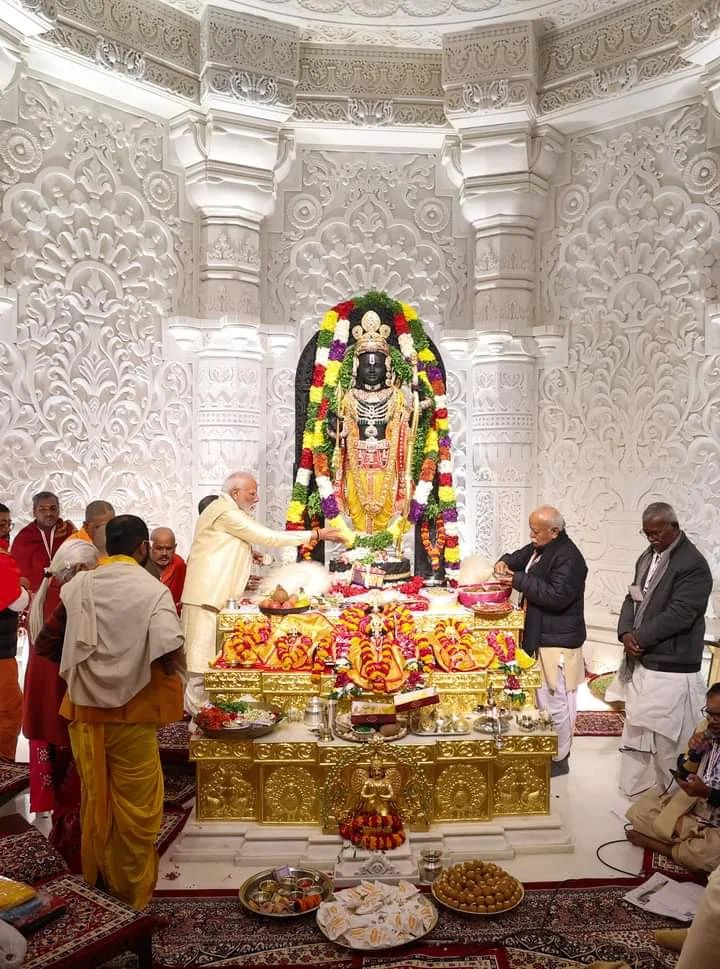
The Shri Ram Janmabhoomi Mandir is a three-storey Nagara-style temple of carved Rajasthani sandstone and white marble, home to the child form of Lord Ram — Ram Lalla. Darshan is free for everyone; the challenge is timing your visit so you avoid the longest queues.
A shortlist of the places our travellers enjoy most — each with its own story, timings and ideal visiting window.
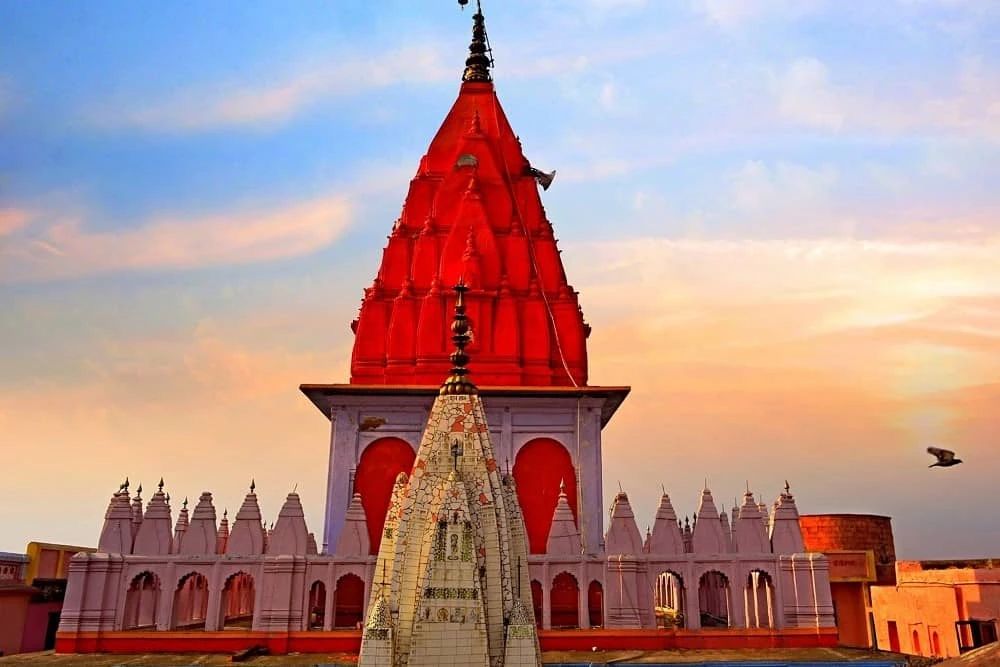
The hilltop fort-temple of Lord Hanuman. Tradition says you visit Hanuman Garhi before Ram Mandir — 76 steps lead up to the shrine.
Read more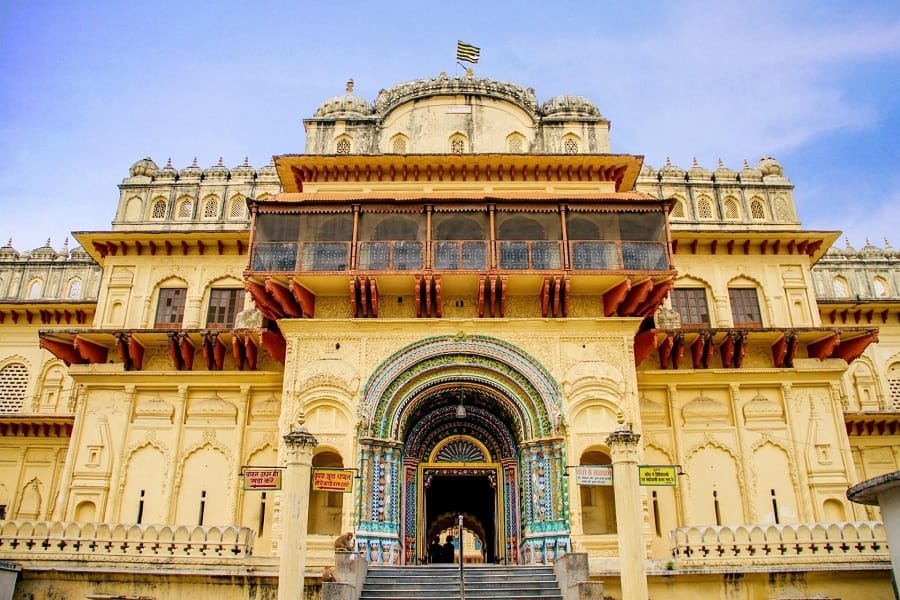
The golden palace gifted to Sita, decorated in gold leaf and mirror-work. Magnificent during Sawan and Diwali.
Read more
A long flight of stone steps along the holy Saryu. Sunset and the evening aarti here are unmissable.
Read more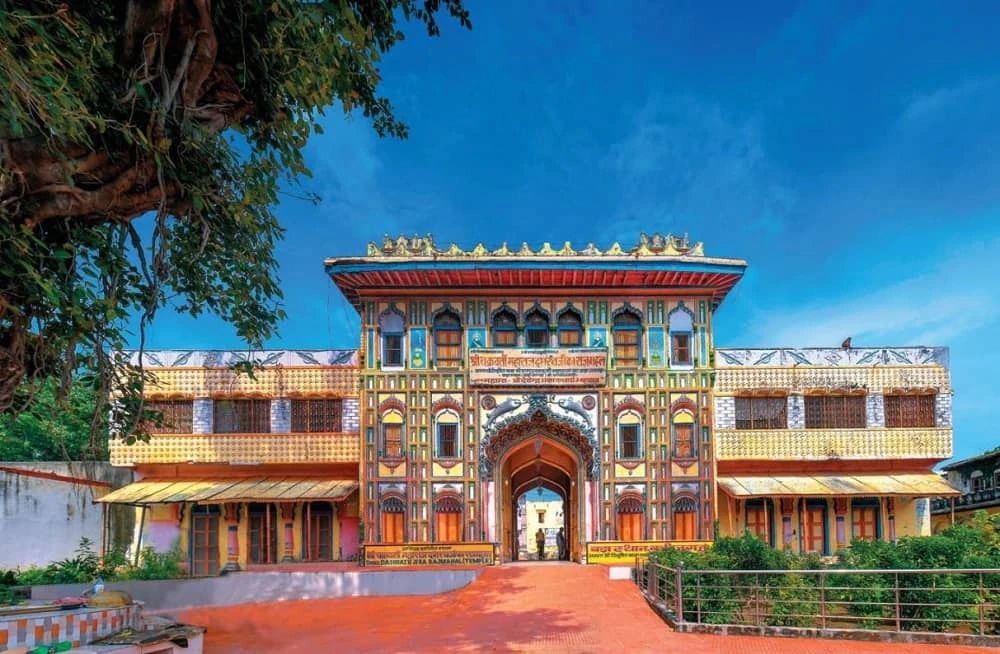
The royal residence of King Dashrath, now a living temple where Ram and his brothers are worshipped daily.
Read more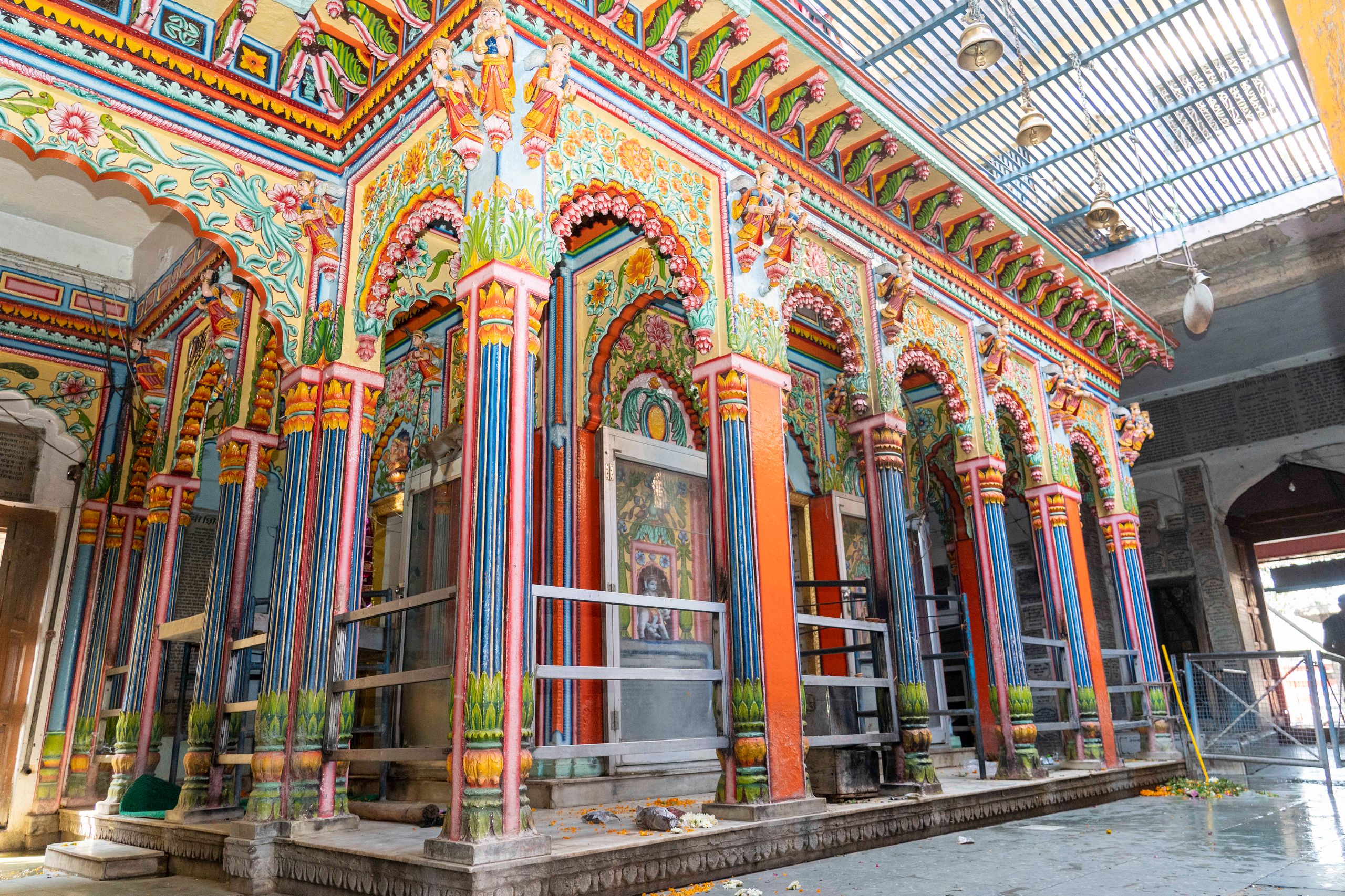
Ayodhya's oldest Shiva temple, linked to Kush, son of Ram. A quiet, deeply atmospheric stop.
Read more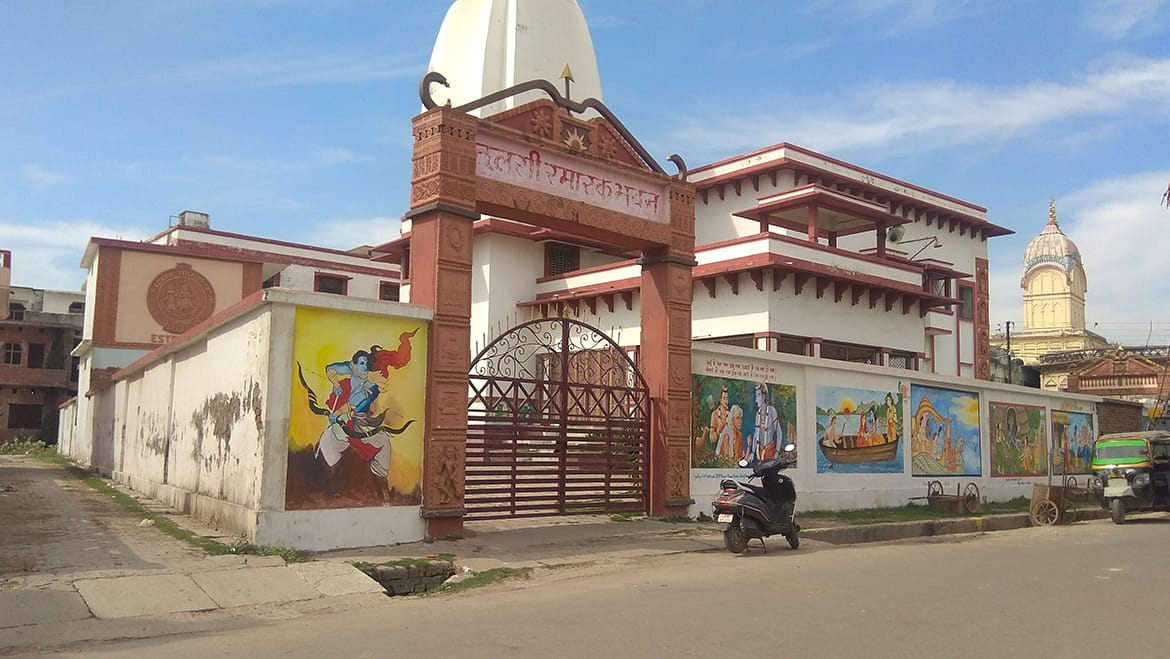
Museum and research institute for Goswami Tulsidas, with a nightly Ramlila performance.
Read moreArriving without a plan means long queues and missed aartis. This simple flow puts the temple in the calmest part of the day and keeps the walking manageable for elders.
Check in, then visit Hanuman Garhi first as tradition asks, followed by Kanak Bhawan nearby.
Walk the ghats, take a short boat ride and stay for the lamp-lit evening aarti.
Reach the gate by 6 AM for the shortest queue, or book Sugam darshan for a faster lane.
Old-town temples in a gentle loop, then lunch and departure.
Best time to visit: October to March. Ram Navami (March–April) and Deepotsav (Diwali) are spectacular but very crowded — book stay and darshan slots early.
Simple, transparent Ayodhya tours with darshan assistance, a local guide and comfortable stays. All packages can be customised for your family's dates.
1 Day · Same-day return
On request · per person
2 Days · 1 Night
On request · per person
3 Days · 2 Nights
On request · per person
Ayodhya is now one of the easiest pilgrimage cities in India to reach, with its own airport, a rebuilt railway station and expressway links.
Maharishi Valmiki International Airport (AYJ) is about 8 km from Ram Mandir, with direct flights from Delhi, Mumbai, Bengaluru, Hyderabad and more.
Ayodhya Dham Junction is the main station — 3 km from the temple. Ayodhya Cantt and Faizabad Junction serve additional trains.
Well connected by expressways from Lucknow (135 km), Varanasi (200 km) and Prayagraj (170 km). UPSRTC buses and taxis run frequently.
E-rickshaws, autos and taxis are cheap and plentiful. The old town's key temples are walkable from each other.
“We travelled with my 78-year-old parents. The team planned the darshan for 6 AM so there was almost no queue, and arranged a wheelchair without us even asking twice.”Rekha S.Pune · Family pilgrimage
“I only had one day in Ayodhya between trains. They still fit in Ram Mandir, Hanuman Garhi, Kanak Bhawan and the evening aarti without ever feeling rushed.”Amit K.Delhi · Solo traveller
“The itinerary page on this site was more useful than any guidebook. We planned our whole trip from it and then booked the hotel through them.”Priya & NitinBengaluru · Couple
Yes. General darshan at Shri Ram Janmabhoomi Mandir is free for all visitors. There is also a paid Sugam Darshan option that uses a shorter queue, useful during festivals and weekends. Aartis are separate and require their own pass.
One full day covers Ram Mandir and the old-town temples. Two days is the sweet spot — it adds the Saryu ghats, an evening aarti and a relaxed pace. Three days lets you add Nandigram, Bharat Kund and a trip to Prayagraj or Varanasi.
October to March offers the most comfortable weather. Ram Navami and Deepotsav are the most spectacular festivals but also the busiest — expect long queues and higher hotel rates.
No. Photography, videography and mobile phones are not permitted inside the Ram Mandir complex. Free lockers are available near the entry gates where you can deposit phones, cameras, leather items and large bags.
Absolutely — and many of our travellers do. Wheelchairs are available at the temple complex, the terrain is largely flat inside the campus, and a well-planned itinerary keeps walking short. Tell us about accessibility needs in the enquiry form and we will plan around them.
Yes. Our packages include handpicked hotels from budget dharamshalas to premium properties near the temple. We can also book stays only, if you already have your travel sorted.
Send us your dates and travel party — we will reply with a clear, no-obligation itinerary and honest advice on the right time to visit the temple.